Market entry
Orientation for companies heading to Türkiye and Central Asia — and for companies of the Turkic states heading to Europe: partners, rules, first steps.
Briefings from the Turkic world
Five states, one vision to 2040, one investment fund, one trade route across the continent — and until now, no source telling that story in depth. The Türkistan Brief changes that: the weekly briefing on business, logistics and culture across the Turkic world.
In November 2021, five heads of state signed a document in Istanbul that hardly anyone outside the region has read: the Turkic World Vision 2040. In it, Türkiye, Azerbaijan, Kazakhstan, Kyrgyzstan and Uzbekistan committed to nothing less than a common economic area — harmonized customs procedures, trade in their own currencies, and a logistics axis connecting China with Europe without touching Russian territory.
Since then, paper has become infrastructure: an investment fund with USD 600 million in authorized capital, a joint special economic zone, annual summits with a growing guest list. International chambers of commerce are beginning to discover the Middle Corridor. What has been missing is a voice that tells this story properly — sober, sourced, every week.
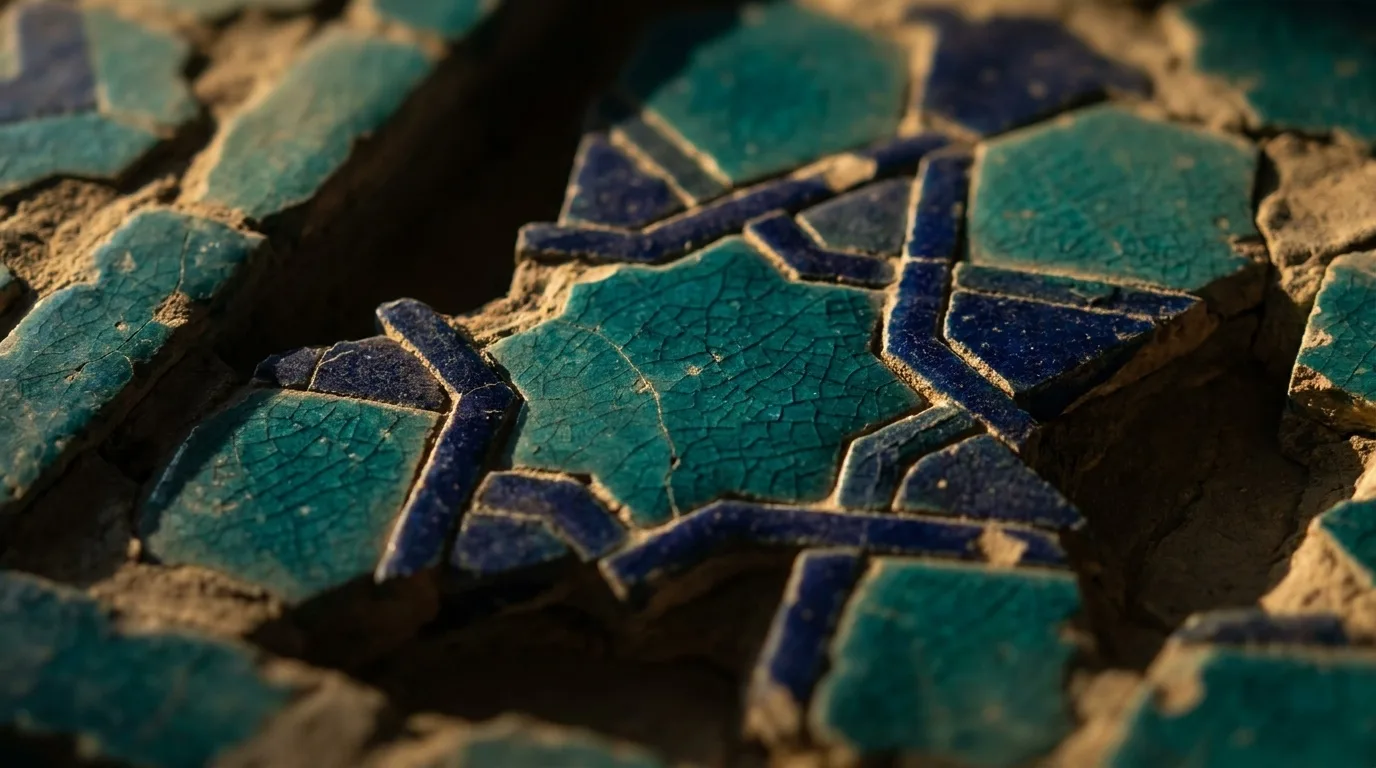
“Turquoise” literally means “the Turkish stone.” Time the world recognized its value.
| State | Capital | Role |
|---|---|---|
| Türkiye | Ankara | Member |
| Azerbaijan | Baku | Member |
| Kazakhstan | Astana | Member |
| Kyrgyzstan | Bishkek | Member |
| Uzbekistan | Tashkent | Member |
| Turkmenistan | Ashgabat | Observer |
| Hungary | Budapest | Observer |
| Northern Cyprus | Lefkoşa | Observer |
The Organization of Turkic States works across nineteen fields of cooperation. Four promises of Vision 2040 carry the building.
More trade among themselves, fewer non-tariff barriers, business increasingly conducted in their own currencies — the region as a hub between East and West.
The Trans-Caspian Middle Corridor as a seamless multimodal route: simplified border crossings, harmonized customs, liberalized transport.
Regional digital connectivity, Industry 4.0, artificial intelligence and smart cities — the leap into the knowledge economy.
A shared identity as a source of cultural richness, education and science — and explicitly: working with the diasporas worldwide.

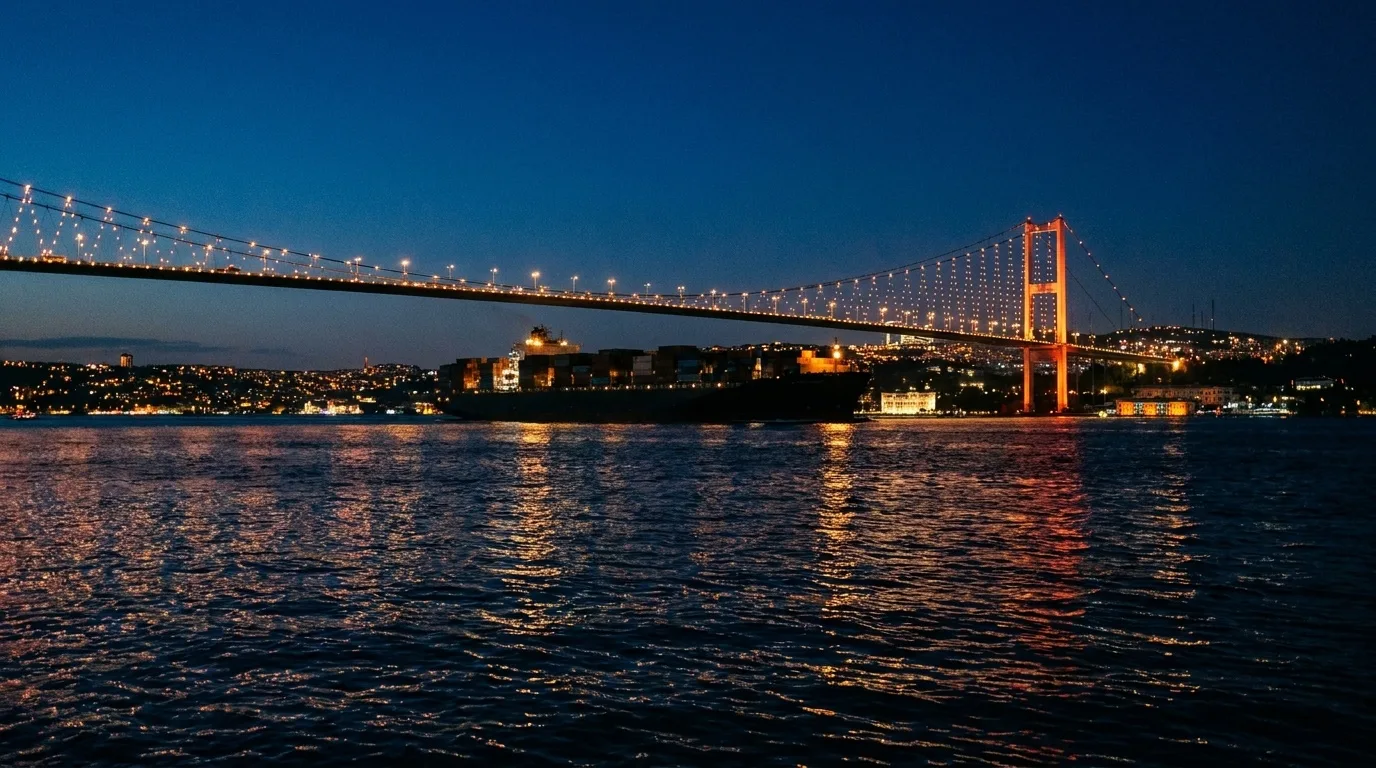
The shortest overland connection between China and Europe that bypasses Russia entirely: by rail through Kazakhstan, across the Caspian Sea by ferry, onward through Azerbaijan and Georgia into Türkiye — and from there all the way to Duisburg. Roughly three weeks instead of six by sea; for international shippers, the route is moving from insider tip to planning assumption.
Vision 2040 makes the corridor a matter of leadership: customs and transit are to become as frictionless as within a single market. Whoever understands the route, its ports and its customs practice holds an edge — precisely where the Türkistan Brief works.
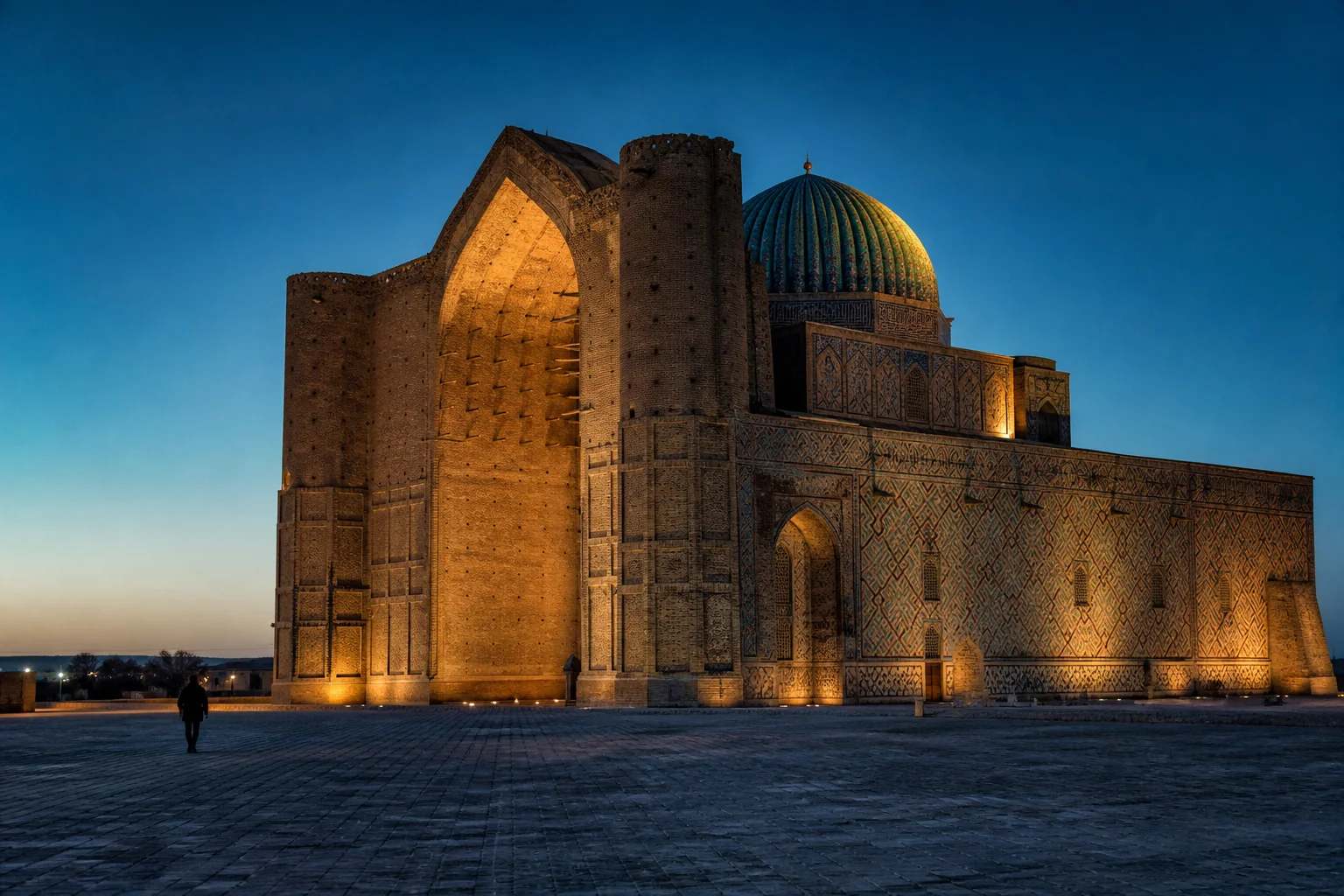
Türkistan is first of all a city: in the South Kazakh steppe stands the Mausoleum of the poet and mystic Ahmed Yesevi, a World Heritage site from the age of Timur. In 2021 the Organization of Turkic States declared the city the spiritual capital of the Turkic world; in its region, TURANSEZ — the member states’ first joint special economic zone — is taking shape.
Türkistan is also the old name of the entire region between the Caspian Sea and the Tian Shan — the homeland of a language family spoken today from Anatolia to Central Asia. The name carries history and promise at once. As a briefing brand, it had not yet been taken. Now it is.
Five minutes a week. Everything that matters commercially between Istanbul and Tashkent.
Two worlds, one point of contact — based in Germany, with hands-on practice in the region.
Orientation for companies heading to Türkiye and Central Asia — and for companies of the Turkic states heading to Europe: partners, rules, first steps.
Practical knowledge from ongoing Türkiye cargo projects including customs clearance: if you are thinking about the Middle Corridor, talk to someone who has already cleared goods.
Multilingual communication for players of the region: web presence, search engines, AI discoverability — so you are found when people ask about the region.
The weekly briefing on business, logistics and culture across the Turkic world: the Organization of Turkic States, Vision 2040, the Middle Corridor, the Turkic Investment Fund — put in context, not just translated.
Nothing. The brief is free and can be cancelled with one click at any time. Your e-mail address is never shared.
For business decision-makers who want to keep an eye on the region commercially — and for players of the region who want to understand the European market.
From primary sources: summit declarations, turkicstates.org, turkicfund.org, official government sources. Every figure carries its origin; primary documents are linked in the original.
Once a week. Five minutes of reading time — everything that matters commercially between Istanbul and Tashkent.
It covers business, logistics, culture and travel. Political ideology has no place here — the region is interesting enough.
The Türkistan Brief covers business, logistics, culture and travel. Every figure carries its source, and primary documents are linked in the original. Political ideology has no place here — the region is interesting enough.